
8 Herbal yang Bisa Dikonsumsi Saat Puasa agar Tetap Sehat
Selama puasa, Anda tidak hanya menahan lapar dan haus, tapi juga perlu menjaga kesehatan tubuh. Nah, mengonsumsi rempah herbal bisa menjadi salah satu cara menjaga tubuh tetap sehat saat puasa. Lantas, herbal apa saja yang baik dikonsumsi selama menjalani puasa?
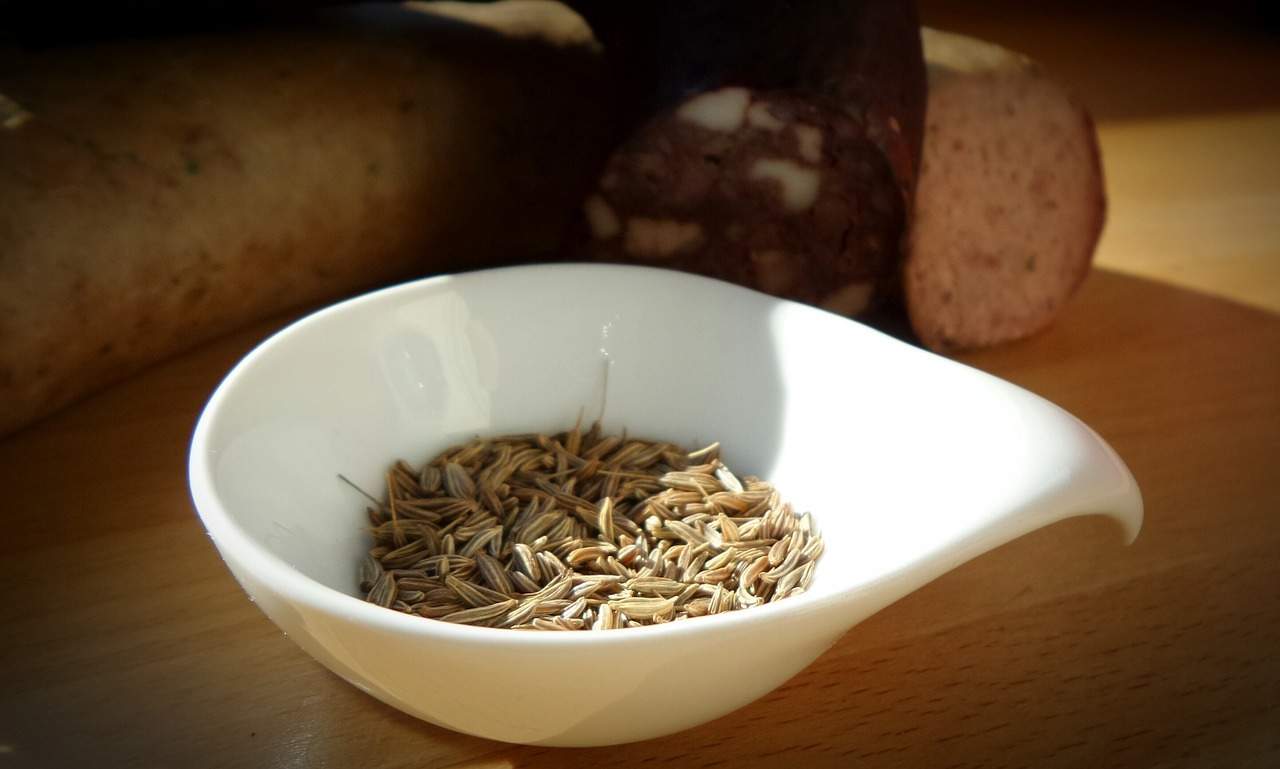
Pilihan herbal yang bisa dikonsumsi saat puasa
Mengonsumsi bahan herbal telah lama dipercaya dapat menjaga tubuh tetap sehat, termasuk saat puasa.
Hal ini karena bahan herbal biasanya mengandung senyawa berkhasiat untuk tubuh. Simak beberapa herbal yang baik dikonsumsi selama puasa berikut ini.
1. Jinten hitam (habbatussauda)
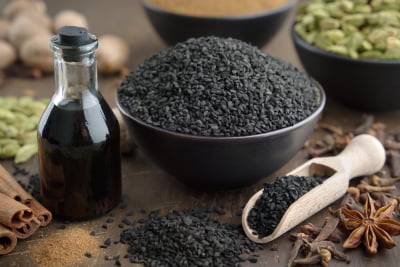
Habbatusauda atau jinten hitam dianggap sebagai herbal yang dapat meningkatkan sistem kekebalan tubuh saat puasa.
Jintan hitam memiliki sifat antioksidan yang dapat melindungi tubuh dari kerusakan sel-sel imun akibat radikal bebas.
Sistem imun berperan penting dalam melawan infeksi bakteri atau virus penyebab penyakit.
Khasiat ini sangat penting karena puasa menyebabkan perubahan pola makan dan jam tidur yang bisa menurunkan sistem imun. Akibatnya, tubuh lebih rentan terinfeksi bakteri atau virus.
2. Kunyit
Perubahan pola makan yang terjadi selama puasa terkadang dapat memicu maag kambuh. Hal ini tentunya bisa mengganggu ibadah puasa Anda.
Nah, salah satu cara untuk mengurangi gejala maag saat puasa adalah dengan mengonsumsi kunyit.
Studi dalam jurnal BMJ Evidence-Based Medicine menunjukkan bahwa kunyit mengandung curcumin yang efektif untuk membantu mengurangi gejala maag.
Bahkan, khasiat curcumin dalam mengurangi gejala maag ini sama efektifnya dengan omeprazole (obat maag).
Selain itu, zat curcumin yang terkandung di dalam kunyit diketahui berperan sebagai antibakteri yang mampu melindungi pencernaan Anda dari infeksi Escherichia coli dan Staphylococcus aureus.
3. Kulit manggis
Kulit manggis, herbal alami yang sedang naik daun ini memiliki kandungan zat xanthone yang berperan sebagai antioksidan di dalam tubuh.
Zat antioksidan ini mampu menangkal radikal bebas yang dapat menyebabkan kerusakan pada sel tubuh, termasuk sel imun tubuh.
Dengan begitu, kulit manggis dapat membantu menjaga sistem kekebalan tubuh dan mencegah Anda jatuh sakit saat menjalani puasa.
Selain itu, bahan herbal alami ini dapat membantu mencegah kulit menjadi kering yang mungkin sering terjadi selama bulan Ramadan akibat tubuh kekurangan cairan.
4. Temulawak
Temulawak merupakan bahan herbal yang bisa Anda konsumsi untuk menjaga kesehatan tubuh saat puasa.
Rempah herbal ini diketahui memiliki sifat antioksidan yang mampu melindungi sel kekebalan tubuh dari kerusakan akibat radikal bebas.
Selain itu, studi dalam International Immunopharmacology menunjukkan bahwa kandungan senyawa kurkumin yang terdapat di dalam temulawak mampu melawan virus influenza.
Senyawa kurkumin bekerja dengan mengurangi stres oksidatif dan perdagangan dalam tubuh yang dikaitkan dengan perkembangan virus influenza.
5. Jahe
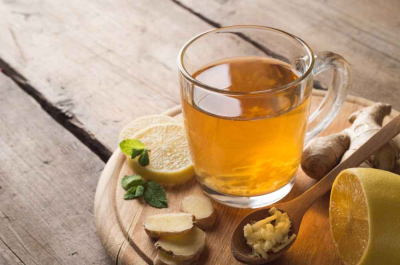
Perubahan pola makan, dehidrasi, dan kurang tidur selama menjalani puasa bisa memicu serangan migrain pada beberapa orang. Nah, agar migrain tidak mengganggu puasa, Anda bisa mengonsumsi jahe.
Sebuah studi yang terbit dalam The American Journal of Emergency Medicine mengungkapkan bahwa konsumsi jahe dapat membantu mengurangi nyeri kepala akibat migrain.
Tidak diketahui secara pasti bagaimana jahe mampu mengurangi migrain, tetapi bahan herbal ini diketahui memiliki sifat anti-inflamasi dan mampu mengurangi peradangan yang dikaitkan dengan risiko migrain.
Tak hanya itu, penelitian tersebut juga menyebutkan bahwa jahe mampu mengurangi mual dan muntah. Hal ini membaut jahe bisa jadi salah satu herbal yang baik dikonsumsi saat puasa.
6. Bawang putih
Manfaat bawang putih bisa membantu menjaga daya tahan tubuh selama puasa.
Sebuah studi dalam The Journal of Nutrition melakukan penelitian menggunakan ekstrak bawang putih yang telah difermentasi untuk mengetahui efeknya dalam meningkatkan sistem kekebalan tubuh dan mengurangi keparahan gejala pilek dan flu.
Hasil penelitian menunjukkan bahwa bawang putih mampu meningkatkan funsgi sel kekebalan tubuh, seperti sel γδ-T dan NK, tanpa menyebabkan peradangan berlebihan serta mengurangi keparahan gejala pilek dan flu.
7. Kayu manis
Kayu manis merupakan rempah alami yang dikenal dengan aromanya yang khas. Bahan alami yang satu ini ternyata baik dikonsumsi saat puasa.
Mengutip Canadian Society of Intestinal Research, kayu manis dapat membantu mengontrol kadar gula darah selama puasa dengan meningkatkan penyerapan glukosa dan sensitivitas insulin, serta memperlambat laju pengosongan lambung.
Selain itu, kayu manis memiliki sifat antibakteri yang dapat membantu mengurangi risiko infeksi bakteri penyebab penyakit.
Sifat antioksidan yang dimiliki oleh tumbuhan kayu manis juga dapat membantu melindungi tubuh dari radikal bebas. Dengan begitu, tubuh Anda akan tetap sehat selama menjalani puasa.
8. Ginseng
Ginseng merupakan bahan herbal yang telah bertahun-tahun digunakan dalam pengobatan tradisional.
Rempah herbal satu ini memang cocok dikonsumsi untuk mencegah terkena penyakit pernapasan saat puasa.
Studi dalam Journal of Gingseng Reserach mengungkapkan bahwa ginseng merah dapat melawan virus penyebab penyakit pernapasan, seperti respiratory syncytial virus, rhinovirus, dan influenza.
Ginseng dapat menghambat virus menempel pada tubuh dan memperbanyak diri serta meningkatkan kekebalan tubuh terhadap serangan virus.
Beberapa bahan herbal di atas bisa Anda konsumsi untuk menjaga kesehatan tubuh selama berpuasa.
Namun, penting untuk mengonsumsinya secara bijak dan sesuai kebutuhan. Dengan begitu, Anda dapat menjalankan puasa dengan sehat dan bugar.
Kesimpulan
- Habbatussauda.
- Kunyit.
- Kulit mangis.
- Temulawak.
- Jahe.
- Bawang putih.
- Kayu manis.
- Gingseng.

