

Manfaat ASMR untuk Meningkatkan Kesehatan Mental
Belakangan, konten ASMR jadi tren di kalangan pengguna media sosial. Fenomena ini disebut memberikan manfaat bagi kesehatan sehingga disukai oleh banyak orang. Lantas, apa saja manfaat dari ASMR? Simak pembahasan lengkapnya di bawah ini.

Apa itu ASMR?
ASMR adalah singkatan dari autonomous sensory meridian response, yaitu timbulnya perasaan santai diikuti sensasi menggelitik di kulit kepala, belakang leher, bahu, atau bagian tubuh lain.
Tidak semua orang dapat merasakan ASMR. Sebuah penelitian dalam jurnal PLoS ONE (2018) menyebutkan bahwa hanya 81% responden yang pernah mengalami fenomena ini di masa lalu.
Timbulnya ASMR dikaitkan dengan getaran atau perasaan tenang yang terkadang terjadi ketika seseorang mendengarkan musik.
Meski begitu, kemunculan ASMR ternyata jarang dipicu oleh musik, melainkan oleh suara tajam yang tenang.
Suara ini bisa dikombinasikan dengan visual. Penambahan visual berfungsi untuk memengaruhi respons orang yang menonton konten agar terasa lebih nyata.
Beberapa contoh bunyi yang menimbulkan efek ASMR antara lain bisikan, ketukan kuku, suara daun berderak, bunyi saat makan, atau suara ujung pulpen yang menggores kertas.
Orang-orang biasanya mendengarkan ASMR untuk menemani tidur. Suara tersebut diklaim bisa menimbulkan efek rileks sehingga bisa tidur lebih cepat dan lebih nyenyak.
Manfaat ASMR berdasarkan penelitian
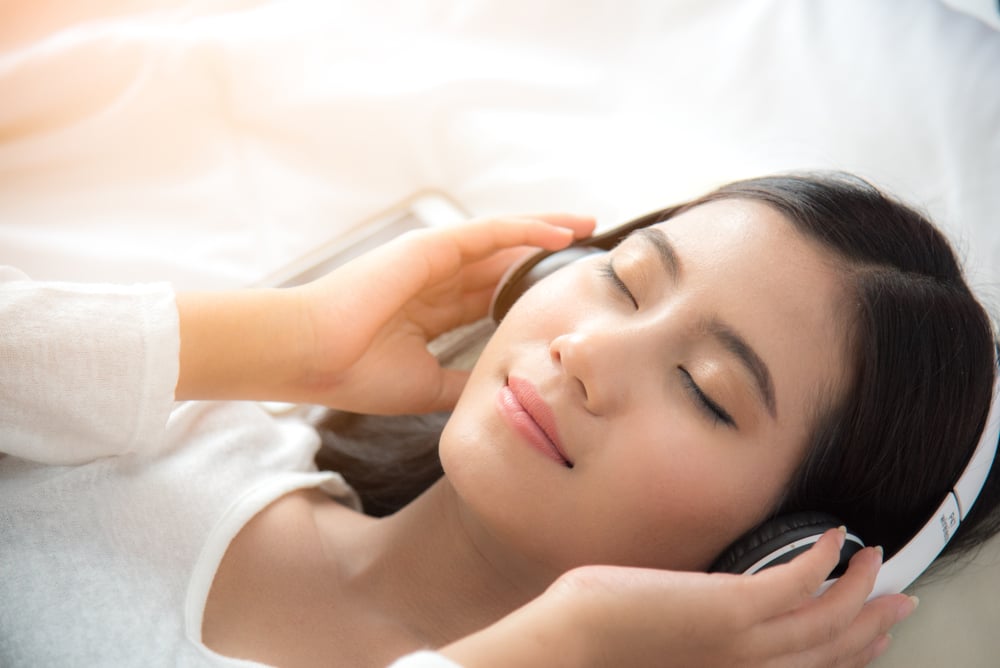
Kemunculan tren dan klaim orang-orang yang menyukainya membuat para peneliti mengamati potensi manfaat ASMR untuk kesehatan.
Beberapa penelitian menyebut bahwa ASMR membantu seseorang meringankan suasana hati yang negatif, termasuk perasaan stres dan depresi.
ASMR juga berpotensi membantu mengurangi rasa sakit dan nyeri kronis pada sebagian orang.
Menonton video ASMR juga dapat memperlambat detak jantung karena membuat penontonnya menjadi lebih tenang dan rileks.
Studi lain yang diterbitkan oleh Empirical Musicology Review (2018) juga menjelaskan berbagai manfaat ASMR yang dilaporkan oleh partisipan seperti di bawah ini.
- Membantu merasa lebih santai, tenang, dan rileks.
- Merasa terhibur dan diperhatikan.
- Membantu tidur lebih cepat dari biasanya.
- Mengalami lebih sedikit kecemasan atau rasa sakit.
- Merasa lebih baik saat suasana hati atau mood sedang buruk.
Efek ASMR pada otak
Periset dari Niigata University of Health and Welfare, Jepang, meneliti efek ASMR terhadap otak melalui pemindaian menggunakan functional magnetic resonance imaging (fMRI).
Hasilnya menunjukkan bahwa ASMR dapat mengaktifkan beberapa area pada otak yang terkait dengan kesadaran diri, pemahaman sosial, dan perilaku sosial.
ASMR sebagai respons sosial mampu meningkatkan perasaan nyaman, relaksasi, serta rasa kantuk.
Area otak yang diaktifkan oleh ASMR juga berkaitan dengan peningkatan beberapa jenis hormon, seperti endorfin, dopamin, dan oksitosin.
Pada beberapa orang, ASMR bisa meningkatkan rasa gembira dan sedih. Mekanisme ini masih juga diteliti lebih lanjut oleh para periset.
Apakah semua orang bisa mendapatkan manfaat ASMR?

Meski ASMR memiliki manfaat bagi kesehatan mental, tidak semua orang akan merasakannya. Sebagian orang justru merasakan efek negatif atau tidak merasakan efek apa pun.
Beberapa orang melaporkan bahwa mendengarkan bunyi-bunyian yang tajam dan tenang malah dapat membuat mereka merasa bosan, bingung, dan bahkan gelisah.
Efek yang tidak menyenangkan ini muncul pada orang yang mengidap misophonia, yakni suatu kondisi saat seseorang merasa sangat terganggu terhadap suara-suara tertentu.
Kebanyakan orang dengan misophonia membenci suara mengunyah, tarikan napas, menggunting kuku, gemerisik kertas atau plastik, detak jam, dan bahkan tetesan air.
Apabila didengar secara berulang, suara tersebut akan membuat mereka merasa cemas, panik, stres, hingga marah.
Bagi mereka yang mendapatkan manfaat dari ASMR, ini bisa menjadi perawatan tambahan untuk mengatasi stres, gangguan kecemasan, dan insomnia yang dialaminya.
Jika Anda tidak mendapatkan manfaat dari ASMR, tidak masalah. Anda tetap bisa menerapkan cara lain yang direkomendasikan oleh psikolog atau ahli kejiwaan.
Kesimpulan
- ASMR (autonomous sensory meridian response) adalah perasaan santai diikuti sensasi menggelitik pada kulit kepala, belakang leher, bahu, atau bagian tubuh lain.
- Manfaat ASMR antara lain membantu mengurangi stres dan depresi serta meningkatkan kualitas tidur.
- Penelitian menemukan bahwa suara ini dapat mengaktifkan area otak yang berkaitan dengan perasaan nyaman, relaksasi, dan kantuk.

