

Berat Badan Bayi 11 Bulan yang Ideal dan Cara Menaikkannya
Memasuki usia 11 bulan, berat badan (BB) bayi normalnya akan semakin bertambah dibandingkan dengan BB bayi usia 10 bulan. Hal ini menandakan tumbuh kembang bayi yang sehat dan optimal.
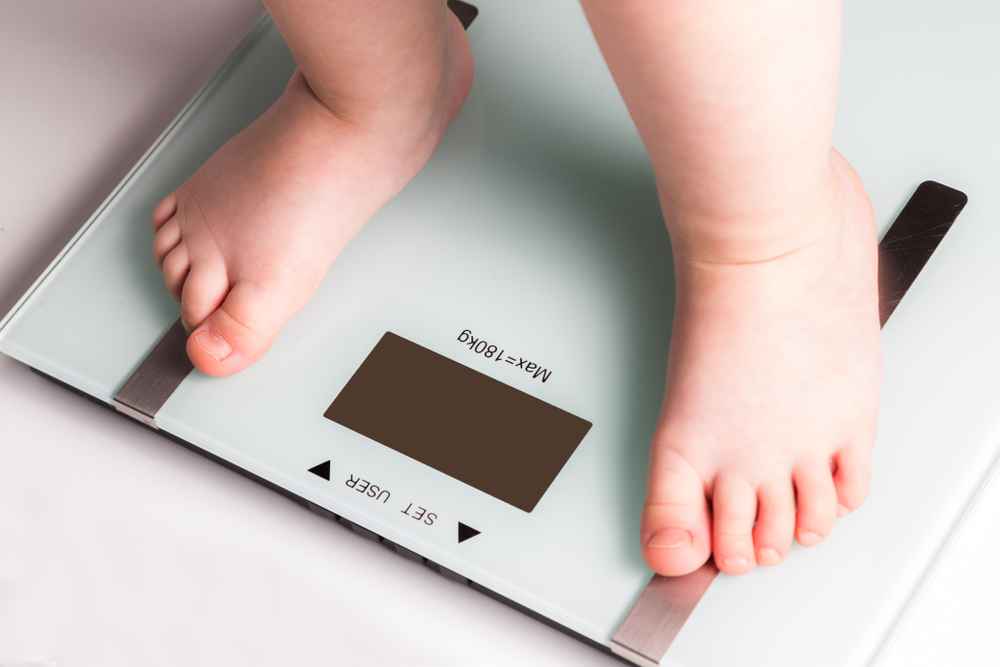
Maka dari itu, sebagai orangtua, penting untuk selalu memantau berat badan bayi guna mengetahui apakah bertambah sesuai dengan pertambahan umurnya. Untuk lebih jelasnya, ketahui berapa berat badan bayi 11 bulan yang ideal di bawah ini.
Berapa berat badan bayi 11 bulan yang ideal?
Pengukuran berat dan panjang tubuh yang akurat sangat penting dalam menilai status gizi bayi. Pasalnya, salah dalam mengukur panjang tubuh dapat menyebabkan salah diagnosis status gizi.
Padahal, hal ini penting untuk mendeteksi dini masalah kesehatan seperti malnutrisi atau obesitas.
Oleh karena itu, penggunaan metode pengukuran yang tepat sangat dianjurkan. Umumnya, pengukuran meliputi berat badan (BB), tinggi badan (TB), dan ukuran lingkar kepala.
Di Indonesia, BB bayi normal usia 11 bulan bisa dipantau sesuai dengan tabel Standar Berat Badan menurut Umur dari Permenkes No.2 Tahun 2020.
Rata-rata berat badan bayi 11 bulan, yaitu sebagai berikut.
- Bayi laki-laki: 7,6—10,5 kg.
- Bayi perempuan: 6,9—9,9 kg.
Selain itu, panjang badan atau tinggi bayi usia 11 bulan juga bisa diukur dengan rata-rata berikut ini.
- Bayi laki-laki: 69,9—76,9 cm.
- Bayi perempuan: 6,77—75,3 kg.
Sementara itu, untuk ukuran lingkar kepala bayi 11 bulan, rata-ratanya bisa disesuaikan dengan standar Organisasi Kesehatan Dunia (WHO) berikut ini.
- Bayi laki-laki: 43,2—48,3 cm.
- Bayi perempuan: 41,9—47,3 cm.
Penggunaan standar ini membantu dalam mendeteksi dini masalah gizi dan memungkinkan penanganan yang sesuai untuk memastikan tumbuh kembang anak optimal, termasuk pada perkembangan bayi 11 bulan.
Apa penyebab berat badan bayi 11 bulan tidak naik?

BB bayi 11 bulan yang tidak mengalami peningkatan dapat disebabkan oleh berbagai faktor. Secara umum, penyebabnya dapat meliputi berikut ini.
- Pemberian makanan pendamping yang tidak tepat. Menurut WHO, jika makanan pendamping ASI (MPASI) tidak diperkenalkan pada sekitar perkembangan bayi 6 bulan atau diberikan secara tidak tepat, pertumbuhan bayi dapat terhambat.
- Masalah psikososial dan pola asuh. Penyebab paling umum dari kegagalan pertumbuhan pada anak adalah malnutrisi yang disebabkan oleh faktor pola asuh, seperti kebiasaan makan yang pilih-pilih.
- Malabsorpsi. Malabsorpsi selama masa kanak-kanak adalah penyebab umum malnutrisi dan ditandai dengan diare kronis dan/atau steatorrhea.
- Penyakit refluks gastroesofageal (GERD). GERD dapat menyebabkan muntah berulang dan penurunan berat badan pada bayi.
- Kondisi medis lainnya. Beberapa kondisi medis lain, seperti insufisiensi adrenal primer, dapat menyebabkan kegagalan pertumbuhan pada bayi.
Maka dari itu, penting untuk melakukan pemeriksaan menyeluruh terhadap pola makan, riwayat medis, dan kondisi lingkungan bayi untuk mendeteksi penyebab spesifik dari penambahan berat badan yang tidak memadai.
Konsultasi kepada tenaga medis sangat dianjurkan untuk diagnosis dan penanganan yang tepat terkait masalah pertumbuhan bayi Anda.
Bagaimana cara menaikkan berat badan bayi 11 bulan?

Meningkatkan BB bayi berusia 11 bulan perlu dilakukan dengan memantau asupan kalori dan memperhatikan faktor medis yang mungkin memengaruhi pertumbuhan.
Berikut adalah beberapa cara meningkatkan berat badan bayi usia 11 bulan yang bisa dilakukan.
1. Cukupi kebutuhan ASI
Pada usia 11 bulan, ASI tetap menjadi sumber nutrisi penting untuk bayi dan dianjurkan agar dilanjutkan hingga usia 2 tahun atau lebih.
Frekuensi menyusui dapat berbeda-beda tergantung pada kebutuhan dan keinginan bayi.
Beberapa bayi mungkin menyusu sekitar enam kali sehari, sedangkan yang lain mungkin lebih sering.
2. Berikan porsi makan yang tepat
WHO merekomendasikan bahwa pemberian MPASI usia 9 hingga 11 bulan sebanyak 3—4 kali sehari.
Tekstur makanan sebaiknya bervariasi dan disesuaikan dengan kemampuan makan bayi, termasuk makanan yang dihaluskan, dicincang halus, atau makanan jari (finger foods) untuk mendorong kemandirian makan.
Perhatikan isyarat lapar dan kenyang dari bayi. Hal ini membantu membangun pola makan yang sehat dan mencegah masalah makan di kemudian hari.
3. Pilih makan yang berkalori tinggi
Untuk menaikkan berat badan bayi usia 11 bulan, penting untuk memvariasikan makanan serta meningkatkan asupan kalori bayi.
Oleh karena itu, pastikan untuk memberikan menu MPASI 11 bulan yang kaya akan kalori dan nutrisi.
Penelitian yang diterbitkan di Public Health Nutrition menyarankan penambahan bahan kaya energi seperti selai kacang, keju, buah kering, dan saus krim ke dalam makanan bayi untuk meningkatkan asupan kalori.
4. Sertakan lemak dalam makan
Lemak menyediakan sumber energi utama yang dibutuhkan untuk pertumbuhan dan perkembangan bayi. Selain itu, lemak mendukung perkembangan otak dan fungsi tubuh lainnya.
Oleh karena itu, penting untuk memasukkan makanan yang kaya lemak sehat ke dalam pola makan bayi Anda.
Beberapa sumber lemak sehat yang dapat diberikan antara lain alpukat, keju, yoghurt penuh lemak, dan minyak nabati seperti minyak zaitun.
5. Pastikan bayi cukup istirahat
Bukan hanya memberikan makanan yang bergizi, memastikan bayi usia 11 bulan mendapatkan istirahat yang cukup sangat penting untuk mendukung pertumbuhan dan penambahan berat badan yang sehat.
Penelitian dalam jurnal Journal of clinical sleep medicine menunjukkan bahwa durasi tidur yang tidak memadai pada masa bayi dapat meningkatkan risiko penambahan berat badan yang berlebihan di kemudian hari.
Oleh karena itu, pastikan bayi Anda tidur setidaknya 12 jam sehari untuk membantu mencegah penambahan berat badan yang berlebihan.
Dengan menerapkan langkah-langkah di atas, berat badan si Kecil dapat bertambah sesuai dengan rata-rata berat badan bayi di umur yang sama.
Jika Anda memiliki kekhawatiran atau pertanyaan tertentu seputar berat badan bayi, konsultasikan kepada dokter anak untuk mendapat penanganan yang sesuai.
Pantau terus berat badan si Kecil pada bulan selanjutnya untuk memastikan tumbuh kembangnya optimal.
Kesimpulan
- Berat badan bayi usia 11 bulan yang ideal, yaitu 7,6—10,5 kg untuk bayi laki-laki dan 6,9—9,9 kg untuk bayi perempuan.
- Untuk memastikan pertumbuhan yang optimal, bayi perlu mendapatkan makanan pendamping yang kaya energi dan nutrisi, cukup ASI atau susu formula, pola makan yang teratur, serta tidur yang cukup dan berkualitas.
- Jika berat badan bayi tidak naik sesuai standar, konsultasi kepada tenaga kesehatan diperlukan untuk mengidentifikasi penyebabnya dan menentukan solusi yang tepat.

